
In the fast-paced world of construction, precision and safety are paramount. Beneath the surface of our cities and towns lies a vast and intricate network of utilities, including water pipes, gas lines, electrical cables, and telecommunications conduits. Interfering with these utilities during construction can result in costly repairs, project delays, and significant safety risks. To mitigate these challenges, the construction industry relies on electromagnetic (EM) technology—a sophisticated and highly effective method for locating underground utilities. This blog delves into how electromagnetic technology works, its advantages, and why it has become indispensable for modern construction projects.
Understanding the Need for Utility Detection in Construction

Before breaking ground on any construction project, understanding what lies beneath the surface is crucial. Subsurface utilities often crisscross beneath roads, buildings, and open fields, forming a complex web that can be difficult to map accurately without the right tools. Striking a utility line can cause widespread disruption. A ruptured water pipe can flood the construction site, while severing a gas line poses a serious explosion risk. Furthermore, damaging telecommunications or electrical lines can disrupt services for entire neighborhoods.
Traditional methods of locating utilities, such as consulting old blueprints or conducting exploratory digging, are time-consuming and unreliable. Many utility maps are outdated or incomplete, failing to account for changes made over decades. Exploratory digging, on the other hand, can be both hazardous and destructive. Electromagnetic technology provides a solution that is both precise and non-invasive, ensuring a safer and more efficient construction process.
The Science Behind Electromagnetic Technology

At its core, electromagnetic technology uses the principles of electromagnetism to detect underground utilities. This technology relies on two main components: a transmitter and a receiver. The transmitter emits a controlled electromagnetic signal, which travels through the ground and interacts with buried conductive materials such as metal pipes and cables. The receiver then detects the signal and translates it into data that indicates the location, depth, and orientation of the utility.
Electromagnetic waves are uniquely suited for this task because they can penetrate various types of soil, concrete, and asphalt. The ability to adjust the frequency of the electromagnetic signal allows operators to target specific types of utilities, minimizing interference and increasing detection accuracy. By leveraging these properties, electromagnetic technology can identify utilities with remarkable precision, even in crowded subsurface environments.
Key Advantages of Electromagnetic Technology

One of the most significant advantages of electromagnetic technology is its non-invasive nature. Unlike exploratory digging, EM methods do not disturb the ground, making them ideal for urban areas where surface disruption can cause traffic congestion or damage to existing infrastructure. This technology is also highly versatile, capable of detecting utilities made from a wide range of materials, including metal, plastic, and concrete.
Another major benefit is the speed and efficiency of the detection process. Electromagnetic tools can cover large areas in a fraction of the time it would take to perform traditional exploratory methods. This rapid detection minimizes downtime and keeps construction projects on schedule.
Additionally, electromagnetic technology provides highly accurate results, reducing the risk of errors. Modern EM equipment often integrates GPS and digital mapping tools, allowing operators to create precise and up-to-date utility maps. These maps are invaluable for project planning and can be shared with all stakeholders to ensure everyone is working with the same information.
Applications in Construction: Real-World Scenarios

Electromagnetic technology has a wide range of applications in the construction industry. One of the most common uses is in pre-construction surveys. Before excavation begins, contractors use EM tools to map out the location of utilities and identify potential hazards. This information is crucial for developing a construction plan that avoids conflicts with existing infrastructure.
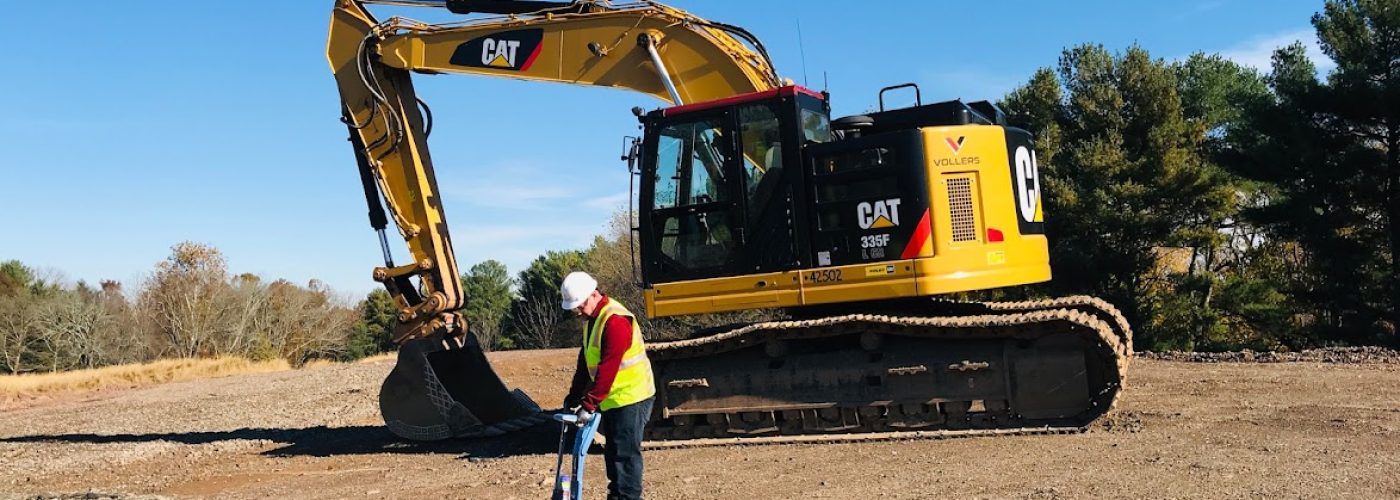
The technology is also used during excavation to provide real-time feedback to operators. For example, in trenching projects, electromagnetic equipment can guide heavy machinery to avoid damaging nearby utilities. This not only enhances safety but also reduces the likelihood of costly repairs.
In addition to its role in construction, electromagnetic technology is often employed in utility maintenance and repair. Utility companies use EM tools to locate and assess damaged lines, enabling quick and accurate repairs. This capability is particularly valuable during emergencies, such as a burst water main or a gas leak, where time is of the essence.
Enhancing Safety on Construction Sites

Safety is a top priority in any construction project, and electromagnetic technology plays a critical role in minimizing risks. By accurately identifying the location of underground utilities, EM tools help prevent accidental strikes that could endanger workers or the public. This is especially important in projects involving high-pressure gas lines or high-voltage electrical cables, where the consequences of a mistake can be catastrophic.
Moreover, electromagnetic technology reduces the need for manual exploratory digging, which is often hazardous and labor-intensive. By minimizing the number of ground disturbances, this technology helps create a safer work environment for construction crews. It also reduces the risk of cave-ins and other accidents associated with traditional digging methods.
Environmental Benefits of Non-Invasive Utility Detection

In addition to its safety and efficiency benefits, electromagnetic technology offers significant environmental advantages. Traditional utility detection methods often involve digging up large areas of land, which can disrupt local ecosystems and cause soil erosion. EM technology, by contrast, leaves the ground undisturbed, preserving the natural environment.
This non-invasive approach is particularly beneficial in sensitive areas, such as wetlands, forests, or urban parks, where minimizing environmental impact is a priority. By using electromagnetic tools, construction projects can strike a balance between development and environmental stewardship.
Innovations and Future Developments in Electromagnetic Technology

The field of electromagnetic technology is constantly evolving, with new advancements enhancing its capabilities and expanding its applications. Modern EM tools are becoming more compact, user-friendly, and powerful, allowing operators to detect utilities with even greater precision. The integration of artificial intelligence (AI) and machine learning is also transforming the industry, enabling EM equipment to analyze data more effectively and provide real-time insights.
One promising area of development is the use of multi-frequency transmitters, which can simultaneously target multiple types of utilities. This innovation simplifies the detection process and reduces the need for multiple passes over the same area. Additionally, advances in data visualization technology are improving the way utility maps are created and shared, making it easier for project teams to collaborate.
As smart cities become more prevalent, electromagnetic technology is expected to play a key role in managing urban infrastructure. By integrating EM tools with smart sensors and IoT devices, cities can monitor and maintain their utility networks more efficiently, reducing downtime and improving service reliability.
The Role of Training and Expertise

While electromagnetic technology is highly effective, its success depends on the skill and expertise of the operators. Proper training is essential to ensure that EM tools are used correctly and that the data they produce is interpreted accurately. Many equipment manufacturers offer training programs and certifications to help operators develop the necessary skills.
Experienced operators can also adapt the technology to suit specific project needs. For example, they can adjust the frequency of the electromagnetic signal to account for soil conditions or the type of utility being detected. This level of customization ensures that the technology delivers optimal results in a wide range of scenarios.
Why Electromagnetic Technology Is a Must-Have for Construction Projects
In today’s construction landscape, electromagnetic technology has become a cornerstone of successful project management. Its ability to locate underground utilities quickly, accurately, and non-invasively makes it an invaluable tool for contractors, engineers, and utility companies alike. By reducing risks, minimizing disruptions, and enhancing efficiency, EM technology not only saves time and money but also ensures the safety of workers and the public.
As construction projects continue to grow in complexity, the demand for reliable utility detection methods will only increase. Electromagnetic technology, with its proven track record and ongoing innovations, is well-positioned to meet this demand and drive the industry forward.
Conclusion: Building the Future with Electromagnetic Technology
Electromagnetic technology is transforming the way we approach construction and utility management. Its ability to locate underground utilities with precision and efficiency is revolutionizing pre-construction planning, excavation, and maintenance. By embracing this cutting-edge technology, the construction industry can build safer, smarter, and more sustainable projects.
Whether you’re a contractor, an engineer, or a city planner, understanding and utilizing electromagnetic technology is no longer optional—it’s a necessity. As we continue to develop our cities and infrastructure, this innovative approach will remain at the forefront, ensuring that we can grow without compromising safety, efficiency, or the environment.


