
In the past, the exploration and mapping of subsurface structures like manholes, tunnels, and tanks relied on manual inspections and rudimentary surveying methods. These techniques, while effective in their time, were labor-intensive, error-prone, and limited in their scope. Enter LiDAR: a revolutionary technology that has redefined how we perceive and map the world—both above and below ground. Short for “Light Detection and Ranging,” LiDAR has become a cornerstone in geospatial sciences, offering unmatched precision and efficiency. But how does this cutting-edge technology actually work when applied to modeling subsurface structures? Let’s delve into the science, applications, and transformative potential of LiDAR in the subterranean realm.
Understanding LiDAR: The Basics of Light Detection and Ranging
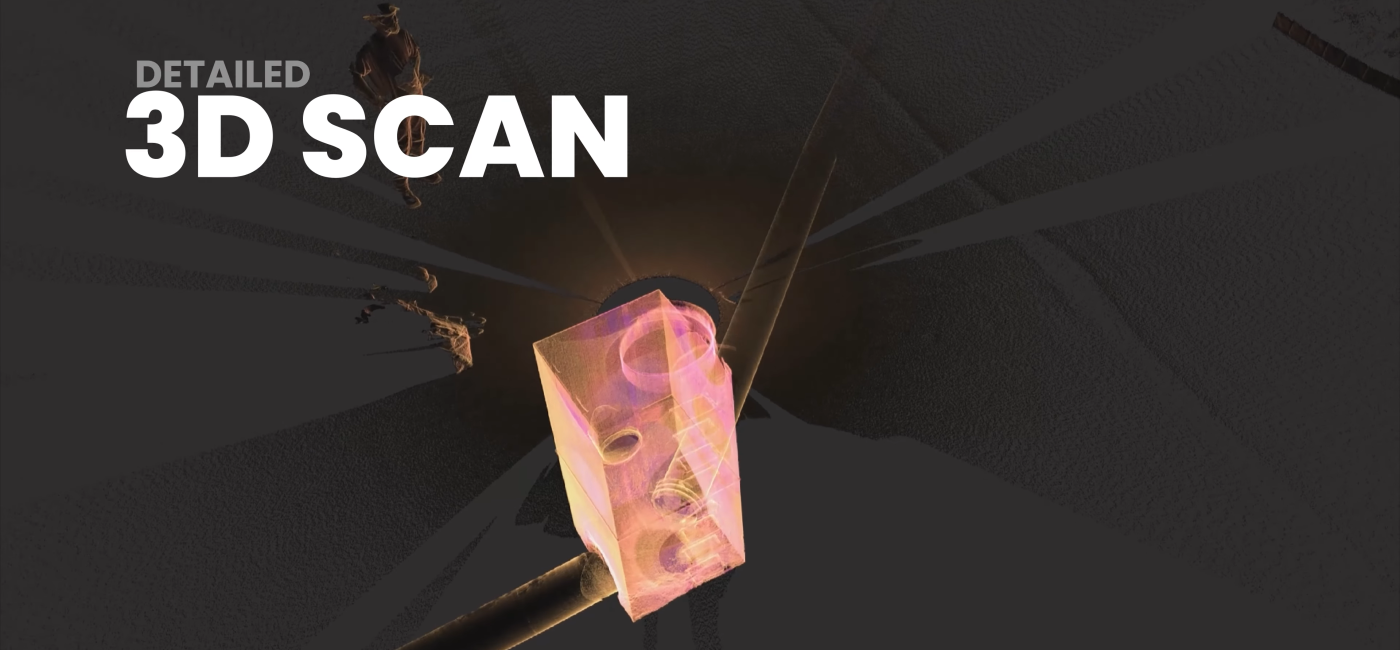
At its core, LiDAR is a remote sensing technology that uses laser light to measure distances. A LiDAR system emits pulses of laser light and measures the time it takes for these pulses to return after striking a surface. By calculating the time-of-flight and knowing the speed of light, LiDAR determines precise distances to the target. When combined with GPS data and inertial measurement systems, LiDAR can create highly detailed 3D maps and models.
LiDAR systems generally operate in three wavelengths: ultraviolet, visible, and near-infrared. These wavelengths are chosen for their ability to interact with different types of surfaces, from vegetation and water to concrete and steel. When applied to subsurface mapping, LiDAR provides unprecedented insights into the hidden infrastructures beneath our feet.
How LiDAR Sees the Unseen: Breaking Through the Ground
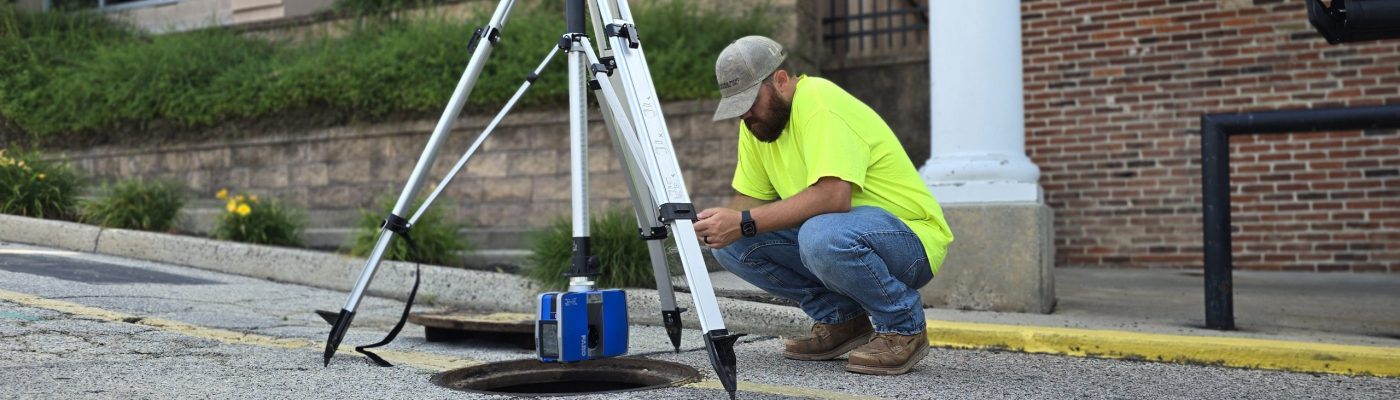
One common misconception about LiDAR is that it can directly “see” underground. While traditional LiDAR systems cannot penetrate soil or rock, they excel in detecting structural openings such as manholes, entry points to tunnels, and above-ground access points to tanks. Once inside these structures, LiDAR can comprehensively scan their interiors. Ground-penetrating variations of LiDAR, often coupled with radar technologies, can also detect changes in subsurface materials, helping to identify voids, cracks, and even buried objects.
Subsurface mapping typically begins with a topographic LiDAR scan to identify surface features. Engineers then use these surface scans as reference points for further exploration. When LiDAR instruments are deployed into underground spaces, they can capture intricate details, such as wall contours, pipe connections, and tank geometries, enabling engineers to construct a detailed digital twin of the structure.
Applications of LiDAR in Subsurface Modeling
1. Manholes: The Gateway to Infrastructure
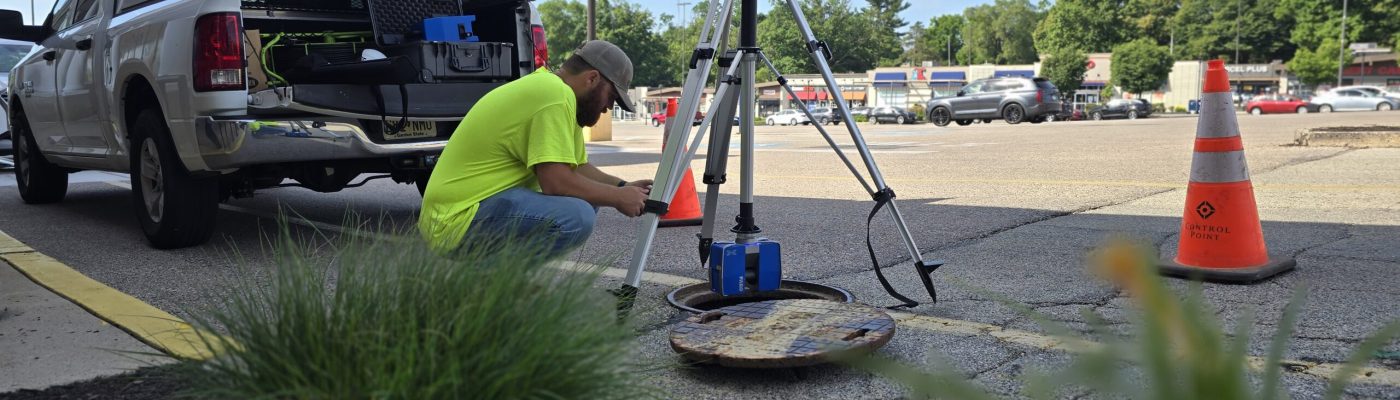
Manholes are vital access points to sewer systems, utility tunnels, and underground networks. Traditionally, inspecting and mapping manholes required physical entry by workers, which posed significant safety risks. LiDAR eliminates these hazards by allowing remote mapping.
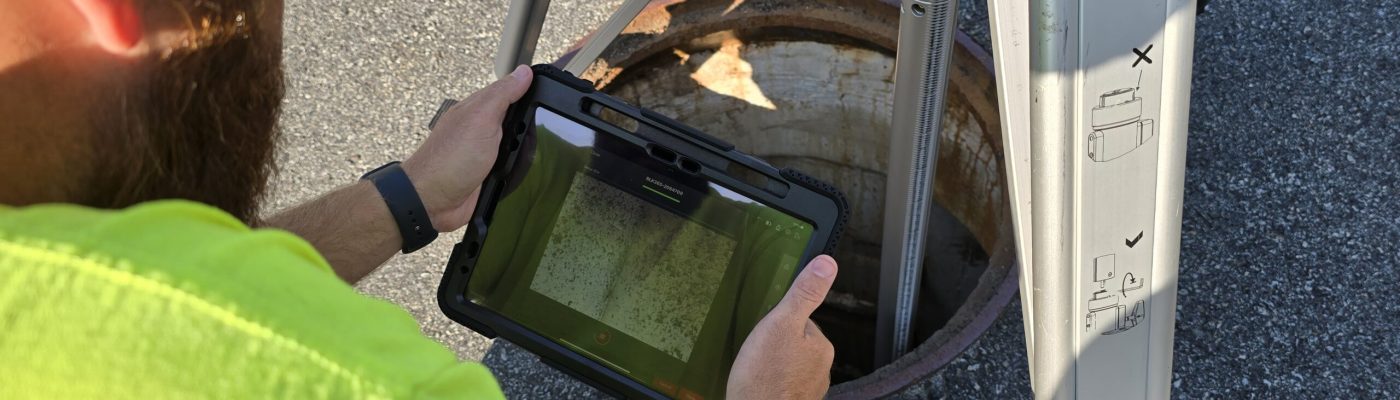
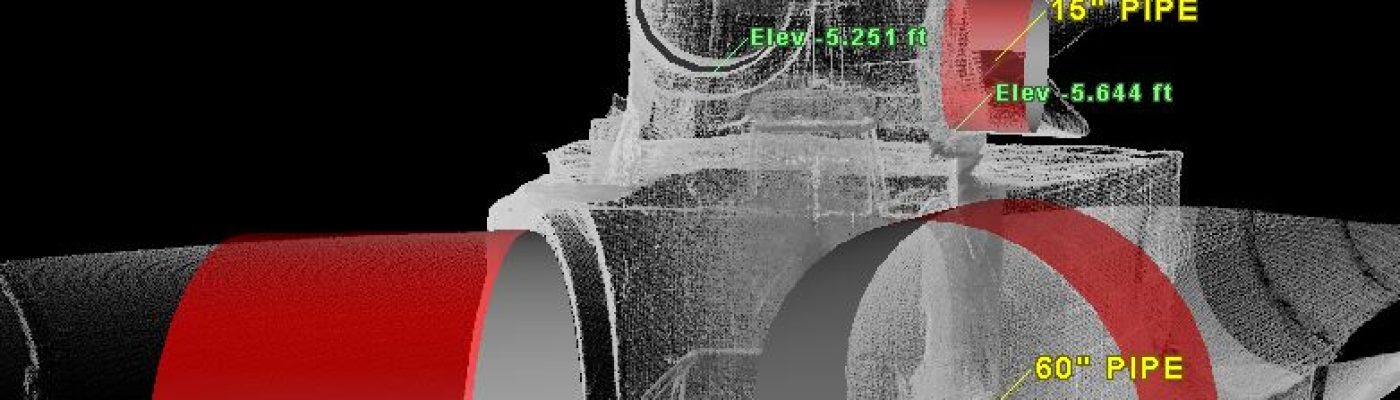
When a LiDAR device is lowered into a manhole, it emits laser pulses in all directions. These pulses reflect off the walls, floor, and any other internal features, creating a precise 3D map of the manhole’s interior. Engineers can use this data to assess structural integrity, detect deformities, and plan repairs without ever stepping into the confined space. This not only saves time but also ensures worker safety and compliance with regulatory standards.
2. Tunnels: Mapping Long and Complex Networks
Tunnels represent some of the most challenging subsurface structures to model due to their length, curvature, and varying cross-sections. Whether it’s a transportation tunnel or an underground utility passage, LiDAR provides a solution for capturing their complexity.
Mobile LiDAR systems, mounted on vehicles or drones, are particularly effective for tunnel mapping. As the LiDAR unit moves through the tunnel, it collects continuous data streams, building a detailed 3D representation of the tunnel’s dimensions and features. These models are invaluable for maintenance, as they help identify cracks, misalignments, and areas of water infiltration. Furthermore, in the planning stages of new tunnels, LiDAR can assist engineers in assessing geological conditions and predicting potential construction challenges.
3. Tanks: Ensuring the Safety of Storage Systems
Subsurface storage tanks are crucial for industries such as oil and gas, water treatment, and chemical manufacturing. Over time, these tanks can suffer from corrosion, sediment buildup, and structural wear. Regular inspections are necessary to ensure their safety and functionality.
LiDAR simplifies the inspection process by generating high-resolution scans of a tank’s interior. By lowering a LiDAR device into the tank, engineers can map its shape, detect irregularities, and measure sediment levels with pinpoint accuracy. The resulting models allow for detailed analysis and proactive maintenance planning, reducing the risk of leaks or structural failures.
The Science Behind the Accuracy: How LiDAR Works in Subsurface Mapping
LiDAR’s effectiveness lies in its ability to produce precise measurements, often with millimeter-level accuracy. This precision is achieved through several key components and processes:
Laser Pulses and Time-of-Flight Measurements: The laser’s pulse rate, which can range from thousands to millions of pulses per second, ensures dense point clouds of data. Each pulse’s return time is measured to calculate the exact distance to the surface.
Point Clouds and Data Processing: The raw data collected by LiDAR consists of millions of points, known as a point cloud. These points represent the coordinates of surfaces within the scanned area. Advanced software processes the point cloud to create detailed 3D models.
Inertial Measurement Units (IMUs): IMUs track the orientation and movement of the LiDAR device, ensuring that data remains accurate even when the device is in motion.
GPS Integration: For above-ground and some subsurface applications, GPS coordinates provide georeferencing, enabling LiDAR data to align with other spatial datasets.
Benefits of LiDAR in Subsurface Applications
Safety First
One of the most significant advantages of LiDAR is its ability to keep workers out of hazardous environments. Instead of physically entering confined spaces, engineers can rely on LiDAR-generated models to gather the information they need.
Speed and Efficiency
Mapping subsurface structures with traditional methods can take days or even weeks. LiDAR drastically reduces this timeline, often completing scans in a matter of hours. This rapid data acquisition allows for faster project turnaround and more responsive maintenance schedules.
Unmatched Precision
The level of detail provided by LiDAR is unparalleled. From detecting hairline cracks in tunnel walls to mapping intricate pipe networks within manholes, LiDAR ensures no detail goes unnoticed. This precision translates to better planning, reduced costs, and improved long-term infrastructure reliability.
Versatility Across Industries
LiDAR’s versatility makes it applicable to a wide range of industries. Municipalities use it for sewer inspections, while oil and gas companies rely on it for tank integrity checks. Its ability to adapt to diverse environments makes it an invaluable tool for infrastructure management.
Challenges and Limitations of LiDAR in Subsurface Mapping
![Leica_BLK360-27[1]](https://visionaryss.com/wp-content/uploads/elementor/thumbs/Leica_BLK360-271-qzzwhov4hle2mk357g0135baluzoxrnhra6xwbadgg.jpg "Leica_BLK360-27[1]")
While LiDAR offers numerous benefits, it is not without its challenges. For one, its reliance on line-of-sight means it cannot scan through solid materials like soil or rock. This limitation necessitates supplementary technologies, such as ground-penetrating radar, for certain applications.
Additionally, LiDAR data requires significant processing power and expertise to interpret. The vast amounts of data generated by point clouds can overwhelm traditional computing systems, necessitating the use of specialized software and trained professionals.
The Future of LiDAR in Subsurface Exploration
![3Dscan_mining_tunnel[1]](https://visionaryss.com/wp-content/uploads/elementor/thumbs/3Dscan_mining_tunnel1-qzzwjp8p3u55gj60gtaax51scj2yegmtp8fbumb25c.png "3Dscan_mining_tunnel[1]")
As technology continues to advance, LiDAR is becoming even more sophisticated. Emerging trends include the integration of artificial intelligence (AI) for automated data processing and analysis. AI can identify patterns and anomalies in LiDAR data more quickly and accurately than human analysts, further enhancing its utility.
Another exciting development is the miniaturization of LiDAR systems. Compact, lightweight LiDAR devices are making it possible to deploy the technology in previously inaccessible areas. From robotic crawlers exploring sewer lines to drones mapping underground mines, the future of LiDAR is as dynamic as the technology itself.
Conclusion: Redefining the Depths
LiDAR has revolutionized how we model subsurface structures like manholes, tunnels, and tanks. By providing detailed, accurate, and safe mapping solutions, it has become an indispensable tool for engineers, urban planners, and infrastructure managers. As the technology continues to evolve, its applications will only expand, offering new ways to explore and understand the hidden complexities beneath our feet. With LiDAR leading the charge, the underground world is no longer a dark and mysterious realm—it is a landscape illuminated by light, data, and innovation.


