
Every construction project, whether it’s a multi-million-dollar commercial development or a simple residential expansion, carries one significant risk—what lies beneath the surface. From gas lines to fiber-optic cables, underground utilities are an intricate web that, if disrupted, can lead to massive delays, fines, and even dangerous accidents. That’s why forward-thinking companies are increasingly turning to private utility locating services.
Hiring a professional utility locating company isn’t just a precautionary step—it’s a strategic investment that delivers a strong return on investment (ROI). The benefits extend far beyond avoiding costly mistakes; they also enhance efficiency, reduce project downtime, and protect your company’s reputation. In this blog post, we’ll break down the financial and operational advantages of private utility locating and why it should be a non-negotiable part of your construction planning.
Prevent Costly Damages and Legal Liabilities—Because One Mistake Could Cost Millions

Digging blindly is a recipe for disaster, and the financial consequences can be staggering. A single incident of striking a gas line, water main, or electrical conduit can lead to thousands—or even millions—of dollars in damage. Not to mention, the legal ramifications can cripple your project before it even gets off the ground.
Repair Costs Add Up Quickly
Accidentally hitting underground utilities often results in immediate and significant repair expenses. According to the Common Ground Alliance (CGA), utility damages cost the U.S. economy over $30 billion annually. These costs aren’t just limited to fixing broken pipes or cables; they can include emergency response fees, environmental cleanup, and increased insurance premiums.Legal Fines and Penalties Can Sink Your Budget
Many municipalities and regulatory bodies impose heavy fines on companies that damage public utilities due to negligence. If your project is responsible for knocking out power to a neighborhood or disrupting a vital communications network, you could be held financially accountable. By investing in private utility locating, you mitigate the risk of regulatory penalties and costly litigation.Reputation Damage Leads to Lost Business
Beyond immediate financial losses, companies that gain a reputation for unsafe digging practices may struggle to secure future contracts. Developers, municipalities, and general contractors prioritize safety and efficiency when hiring contractors. A single utility strike could mean losing out on lucrative opportunities for years to come.
Improve Project Efficiency and Timelines—Because Time Is Money

Every delay in construction costs money. Whether it’s labor costs, equipment rentals, or penalties for missing deadlines, unexpected disruptions can quickly drain your budget. Private utility locating services ensure that your project stays on track by providing accurate, real-time data about underground infrastructure.
Avoid Unnecessary Work Stoppages
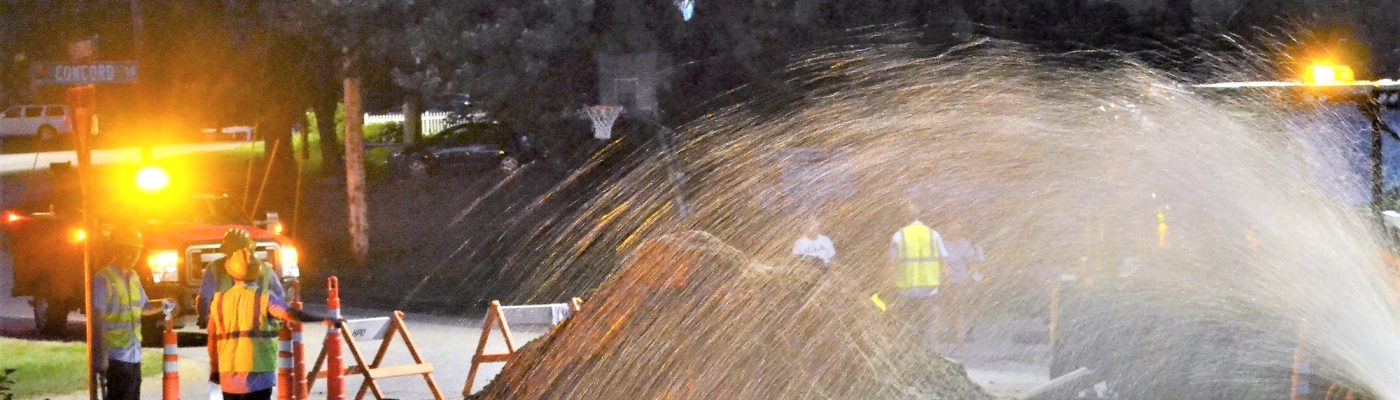
When a utility strike occurs, work must stop immediately. Crews must wait for emergency response teams, insurance assessments, and repair crews to arrive before resuming construction. These delays can last days or even weeks, causing a domino effect on scheduling. By hiring a private utility locating company upfront, you eliminate these risks and keep your team working without interruption.Precision Mapping Reduces Guesswork
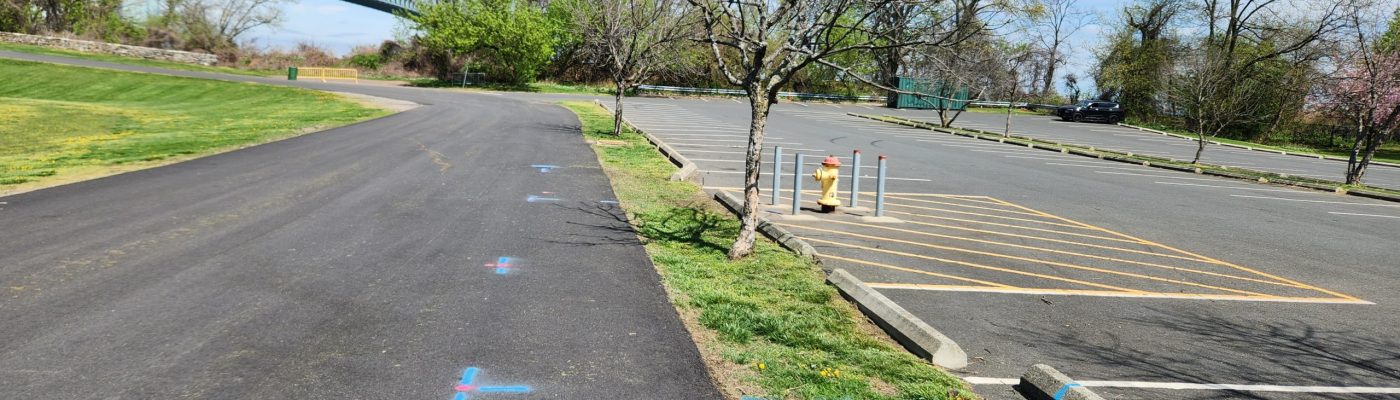
Relying on outdated municipal records or “guesstimating” the location of underground utilities is a surefire way to cause delays. Private locators use advanced technology such as ground-penetrating radar (GPR), electromagnetic detection, and 3D mapping to provide pinpoint-accurate data. This information allows engineers, contractors, and project managers to plan excavation work with confidence, avoiding unexpected surprises.Faster Permitting and Compliance Approvals
Many city and state authorities require detailed site maps before issuing excavation permits. Utility locating services streamline this process by providing comprehensive underground utility reports that satisfy regulatory requirements. This means fewer back-and-forth delays with local agencies and a faster green light to begin work.
Reduce Insurance Costs and Liability—Because Prevention Is Cheaper Than Payouts
Insurance is a critical but often overlooked aspect of any construction project. The more risks you take, the higher your premiums—and the more you’ll pay in claims when something goes wrong. Investing in private utility locating is a proactive way to minimize liability and lower insurance-related expenses.
Lower Insurance Premiums by Demonstrating Due Diligence
Insurance companies evaluate risk when determining premium rates. If your company has a history of utility strikes or lacks proper risk mitigation strategies, you’re likely paying inflated rates. By consistently using private utility locating services, you demonstrate a commitment to safety, which can lead to reduced insurance costs over time.Avoid Expensive Claims and Lawsuits
When underground utilities are damaged, someone has to foot the bill. If your company is responsible, your insurance provider may cover some of the damages—but expect your premiums to skyrocket. Worse, if your policy doesn’t fully cover the incident, you could be facing a lawsuit that drains your company’s financial resources. Investing in accurate utility location upfront is significantly cheaper than dealing with post-damage claims.Reduce Worker Compensation Claims and Jobsite Injuries
Hitting a high-voltage line or gas main isn’t just a financial problem—it’s a serious safety hazard. Workers in the vicinity of an underground utility strike could suffer severe injuries or worse. These incidents lead to costly workers’ compensation claims, OSHA fines, and potential criminal liability. Ensuring a safe jobsite through professional utility locating protects both your employees and your bottom line.
Gain a Competitive Advantage—Because Smart Companies Stay Ahead of the Curve

In a competitive construction industry, every edge matters. Companies that proactively manage risks, control costs, and optimize efficiency are the ones that win more bids and secure higher-value contracts. Hiring a private utility locating company sets your business apart from the competition.
More Accurate Bidding and Cost Estimations
Accurate utility location data allows project managers to create precise cost estimates. Without this information, unexpected utility strikes can blow budgets and erode profit margins. Having a clear underground utility report ensures that your estimates remain realistic, protecting your company from financial surprises down the line.Enhance Your Reputation as a Reliable Service Provider
Developers and clients prefer working with companies that prioritize safety and efficiency. If your firm is known for consistently delivering projects on time and without incident, you’ll have a distinct advantage over competitors who take a more reckless approach. Private utility locating is a small investment that pays off in client trust and repeat business.Future-Proof Your Operations with Cutting-Edge Technology
The construction industry is evolving, and those who leverage the latest advancements will stay ahead. Private utility locators use state-of-the-art technology to detect even the most complex underground networks. Investing in their expertise now positions your company as a leader in innovation and risk management, ensuring long-term success in an ever-changing industry.
Your Small Investment will Pay Huge Returns
Hiring a private utility locating company isn’t an expense—it’s an investment with measurable returns. From preventing costly damages and legal liabilities to improving efficiency, reducing insurance costs, and securing a competitive edge, the benefits are undeniable.
Construction projects come with enough uncertainties as it is—why add unnecessary risk? By partnering with expert utility locators, you protect your finances, your team, and your reputation. The choice is clear: safeguard your success by investing in professional utility locating today.
The next time you break ground on a project, ask yourself—can you really afford NOT to know what’s below?


